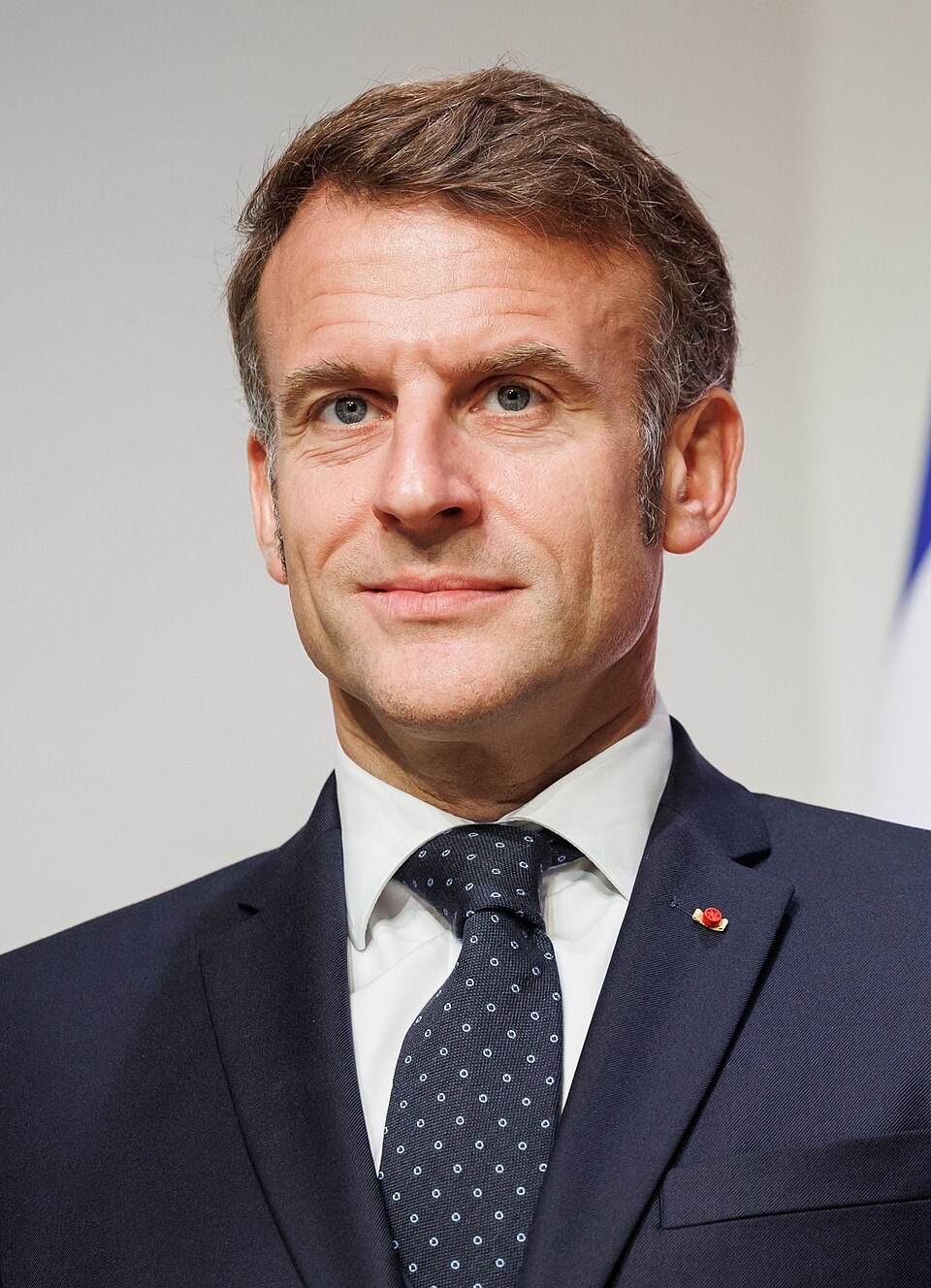
Macron Boosts French Defense in Middle East Amid Regional Threats
In a decisive move underscoring France's commitment to regional stability, President Emmanuel Macron has ordered a significant increase in French military presence in the Middle East. This strategic enhancement, spearheaded by the deployment of the formidable aircraft carrier Charles de Gaulle and its accompanying assets, signals a clear macron démonstration force designed to protect French interests, support allies, and deter escalating threats in a volatile region. Following a period of heightened tensions and a series of concerning incidents, France is now positioning itself to play a more robust role in safeguarding security in the Mediterranean and beyond.
The presidential decree, announced during an address to the nation, comes in response to an increasingly unstable geopolitical landscape. With ongoing conflicts and rising regional proxies, the necessity for a strong, visible military presence has become paramount. Macron's actions are not merely reactive; they reflect a proactive stance rooted in France's long-standing strategic interests and its commitment as a major European and global power to uphold international security and protect its nationals.
A Strategic Pivot: The Charles de Gaulle's Deployment to the Mediterranean
At the heart of this elevated defense posture is the redeployment of France's flagship aircraft carrier, the Charles de Gaulle. This nuclear-powered vessel, a symbol of French military might, along with its full complement of air assets—including Rafale fighter jets, advanced air-defense systems, and airborne radar systems—and its frigate escort, has been directed to the Mediterranean. This shift is particularly noteworthy as the carrier was initially participating in a multinational exercise in the North Atlantic, a testament to the urgency and seriousness with which Paris views the situation.
The Charles de Gaulle's presence in the Mediterranean represents a significant boost to France's capacity for power projection and rapid response. Its Rafale jets can provide air superiority, reconnaissance, and precision strike capabilities across a broad operational area. Coupled with its advanced radar and air-defense systems, the carrier strike group offers a comprehensive defensive umbrella, capable of protecting vital sea lanes, conducting surveillance, and neutralizing potential airborne threats. This move solidifies France's readiness to intervene and stabilize situations, offering a tangible Macron Deploys Charles de Gaulle Carrier to Bolster Mideast Security, reinforcing the deterrent effect of its forces.
The strategic value of an aircraft carrier in a dynamic region cannot be overstated. It provides a sovereign, mobile airbase that can operate independently or integrate with allied forces, offering flexibility and resilience in rapidly evolving scenarios. The deployment underscores France's ability to swiftly reconfigure its naval assets to address emergent threats, sending a clear message of its resolve and operational readiness.
Bolstering Regional Security: France's Multifaceted Defense Posture
Beyond the Charles de Gaulle, Macron's directive encompasses a broader strengthening of France's military footprint in the Middle East. This includes the existing deployment of Rafale fighter jets and personnel stationed at key strategic locations, such as the Al-Dhafra base in the United Arab Emirates. These assets have already proven their utility, with French Rafales mobilized to secure airspace above French facilities, even engaging in operations to neutralize incoming drones.
Recent incidents have highlighted the imperative for such robust defenses. A hangar at a French base in the UAE was reportedly hit by a drone, underscoring the direct threats faced by French installations and personnel. Furthermore, an attack on a British air force base in Cyprus, an EU member state and a country with which France recently signed a strategic partnership, prompted an immediate response. Macron explicitly stated the need for French support, dispatching additional air-defense assets and the frigate Languedoc to the Cypriot coast. This swift action demonstrates France's commitment to its allies and its determination to defend shared European interests.
France maintains hundreds of navy, air force, and army personnel in the UAE, a critical partner in the region. The security of these personnel and bases is paramount, and the enhanced deployments serve to fortify these positions against potential aggression. The coordinated deployment of diverse assets—from carrier-based aviation to land-based fighter jets and frigates—illustrates a comprehensive approach to regional security, showcasing a powerful macron démonstration force that is both layered and adaptable.
Macron's Strategic Rationale: Protecting Interests and Deterring Aggression
President Macron's decision to escalate France's military presence is underpinned by a clear set of strategic imperatives. Primarily, it aims to protect French nationals and military bases in the region. The Middle East is a crucible of complex challenges, and ensuring the safety of French citizens and assets is a non-negotiable priority for any government.
Secondly, the deployments serve to support countries in the region that face threats or have been targeted by various actors. This support is crucial for maintaining regional stability and preventing wider escalation. By bolstering the defenses of allies like Cyprus, France reinforces its diplomatic ties and demonstrates solidarity within the European Union and beyond. This proactive stance contrasts with mere observation, signaling France's active role as a security guarantor.
Thirdly, and perhaps most importantly, this macron démonstration force acts as a powerful deterrent. In a region where geopolitical signals are often sent through military posture, the visible presence of advanced French capabilities sends an unequivocal message to potential aggressors: France is prepared to defend its interests and those of its partners. This is not merely about conflict, but about shaping perceptions and influencing behavior through credible deterrence.
During a meeting of France's defense council, President Macron reiterated the nation's resolve to raise its defense posture. This reflects France's independent foreign policy, which often prioritizes strategic autonomy and the capacity to act unilaterally or in concert with partners, depending on the situation. The deployments are a testament to France's unwavering commitment to its strategic vision for a secure and stable Middle East, one that recognizes the intertwined nature of European and regional security.
The Impact of France's Démonstration de Force: A Message of Resolve
The cumulative effect of these deployments constitutes a significant macron démonstration force, broadcasting a message of unwavering resolve. The immediate impact is enhanced security for French assets and personnel, as well as reinforced confidence among allies who look to France for leadership and support. In the longer term, it aims to contribute to de-escalation by deterring further acts of aggression and fostering a more predictable security environment.
France, with its unique geopolitical position and historical ties to the Middle East, understands the intricate dynamics at play. By deploying high-value assets and explicitly stating its intent to "continue this effort as much as necessary," France is asserting its role as a key player in navigating regional complexities. This robust display of military capability is not an act of aggression, but rather a responsible projection of power designed to safeguard peace and stability in a critical part of the world.
This strategic move also serves to reinforce France's credibility as a defense partner within European and international frameworks. It demonstrates a practical commitment to collective security, showing that France is not just an advocate for stability but an active contributor to its realization. For a more detailed look at the broader implications, explore Macron's Military Show of Force: France Secures Middle East Interests.
Conclusion
President Emmanuel Macron's decision to significantly bolster France's defense posture in the Middle East, centered around the deployment of the Charles de Gaulle aircraft carrier and additional military assets, is a clear and powerful statement of intent. It is a strategic macron démonstration force meticulously calculated to protect French nationals and bases, support regional allies like Cyprus and the UAE, and deter further destabilization. In an era of increasing global uncertainty, France is demonstrating its readiness and capability to act decisively, asserting its role as a vital contributor to international security and projecting a message of unwavering resolve to maintain peace and stability in a region crucial to global geopolitics.